August 21 is a Special Non-Working Day, not a Regular Holiday — and that one distinction changes your entire pay computation. Here’s exactly what DOLE says you should receive.
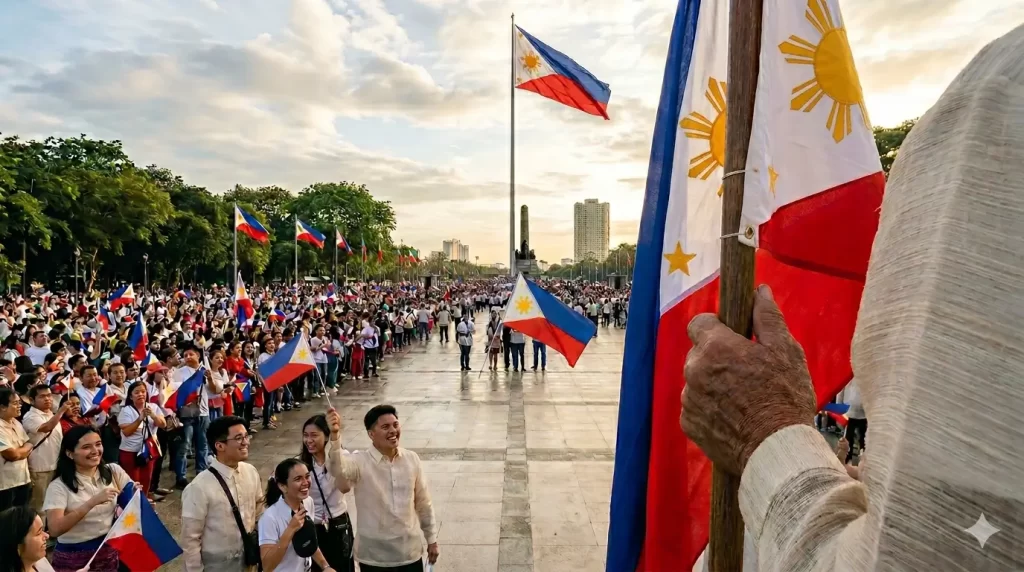
Every year, a lot of Filipino workers assume all holidays pay the same way. They don’t. Ninoy Aquino Day, observed every August 21, is classified as a Special (Non-Working) Day — a different category from Regular Holidays like Christmas Day or National Heroes Day, with its own separate pay rules under the Department of Labor and Employment (DOLE).
Here’s the breakdown, based on DOLE’s standard computation for special non-working days.
Need the legal basis first? Read our Malacañang Confirms: Ninoy Aquino Day 2026 Is a Special Non-Working Holiday for the full Proclamation No. 1006 breakdown.
THE BASIC RULE: “NO WORK, NO PAY”
For Special Non-Working Days, DOLE applies the “no work, no pay” principle by default. This means:
- If you don’t report for work, you generally don’t get paid for that day — unless your employer has a company policy, a collective bargaining agreement (CBA), or an established practice that says otherwise.
- If you do report for work, you’re entitled to premium pay on top of your regular wage.
This is the opposite default from Regular Holidays, where employees are paid their full daily wage whether they work or not (provided they met the attendance requirement on the day before).
HOW MUCH EXTRA YOU GET IF YOU WORK
Based on DOLE’s standard formula for special non-working days, here’s the computation:
Scenario 1: You work on Ninoy Aquino Day (not your rest day)
Basic daily wage + 30% of your basic daily wage for the first 8 hours
Scenario 2: You work on Ninoy Aquino Day, and it also happens to be your scheduled rest day
Basic daily wage + 50% of your basic daily wage for the first 8 hours
Scenario 3: You work overtime (beyond 8 hours) on Ninoy Aquino Day
You get an additional 30% of your hourly rate for the overtime hours worked, on top of the applicable premium above.
REAL NUMBERS: A SAMPLE COMPUTATION
Let’s say your basic daily wage is ₱610 (close to the Metro Manila minimum wage range).
| Scenario | Computation | Total Pay |
|---|---|---|
| Did not work | No work, no pay (unless company policy states otherwise) | ₱0 (or per company policy) |
| Worked 8 hours, not a rest day | ₱610 + (30% × ₱610) | ₱793.00 |
| Worked 8 hours, also a rest day | ₱610 + (50% × ₱610) | ₱915.00 |
| Worked 8 hours + 2 hours overtime, not a rest day | ₱793.00 + (2 hrs × hourly rate × 130%) | ₱793.00 + overtime premium |
(Note: actual figures depend on your specific basic daily wage, which varies by region and industry. These numbers are illustrative only.)
WHY THIS IS DIFFERENT FROM A REGULAR HOLIDAY
It helps to see the two side by side, since National Heroes Day falls just ten days after Ninoy Aquino Day in the same month:
| Ninoy Aquino Day (Special Non-Working) | National Heroes Day (Regular Holiday) | |
|---|---|---|
| Didn’t work | No pay by default | 100% of daily wage |
| Worked (not rest day) | +30% of basic wage | +100% of basic wage (200% total) |
| Worked on rest day | +50% of basic wage | +130% of basic wage (230% total) |
This is precisely why the classification matters — the same “day off” label hides two very different pay outcomes depending on which type of holiday it legally is.
WHAT DOLE ACTUALLY SAYS
DOLE issues a specific Labor Advisory ahead of each major holiday to remind employers of the correct computation. For the full-year 2026 calendar, this was covered under Labor Advisory No. 12, Series of 2025, which lays out the pay rules for every regular holiday, special non-working day, and the single special working day for the year, pursuant to Proclamation No. 1006.
DOLE typically also issues a standalone advisory closer to each individual holiday as a reminder — as it did for Chinese New Year in February 2026 under Labor Advisory No. 01-2026, which applied the same special non-working day formula described above.
WHAT IF MY EMPLOYER DOESN’T FOLLOW THIS?
If you believe your employer isn’t complying with DOLE’s pay rules, you can:
- Check your company’s specific policy or CBA first, since some employers voluntarily pay more than the minimum required.
- Raise the concern with your HR or payroll department directly, citing the relevant Labor Advisory.
- File a complaint with the nearest DOLE Regional/Field Office if the issue isn’t resolved internally.
THE BOTTOM LINE
Whether you’re off work entirely or clocking in on August 21, knowing which category of holiday you’re dealing with is the difference between correctly computing your pay and quietly losing money you’re legally owed. Special Non-Working Day rules apply specifically because Ninoy Aquino Day, while nationally significant, isn’t classified as a Regular Holiday under the law — a distinction worth remembering every time a new holiday shows up on the calendar.
Continue exploring our Ninoy Aquino Day coverage: Ninoy Aquino Day 2026: The Full Story Behind August 21 · August 2026’s Double Long Weekend: Ninoy Aquino Day to National Heroes Day
This article is based on DOLE’s standard computation for special non-working days as applied consistently across 2026 advisories. Always check the specific Labor Advisory issued closer to August 21, 2026 for any updates.
SOURCES / FOOTNOTES
- Grant Thornton Philippines, “DOLE Labor Advisory No. 12–25: Payment of wages for the regular holidays, special (non-working) days, and special (working day) for the year 2026”, October 2025.
- SunStar Manila, “DOLE releases pay rules for Chinese New Year”, February 2026.
- Bureau of Working Conditions, DOLE, “Labor Advisories” — Labor Advisory No. 12-25.
- Bureau of Working Conditions, DOLE, “Labor Advisory No. 12-25 (PDF)”.
- Rolling Stone Philippines, “DOLE Holiday Pay Rules and How to Compute Pay for 2026”, December 2025.
- HRMSPro.ph, “DOLE Labor Advisory No. 12-25: Wage Payment Rules for Holidays”.