A 1,600-hectare complex in Tarlac. Twenty-three partner countries. A promise of “quality jobs” and a bigger role in the global AI economy. Here’s what Pax Silica actually is — and isn’t, yet.
Of everything President Marcos announced in his 5th State of the Nation Address on July 27, 2026, few projects got as much attention as Pax Silica — a name that, for most Filipinos watching SONA, was completely new.
So what exactly is it? Here’s the breakdown.
New to this topic? Start with our overview: SONA 2026: Marcos’ AI Agenda — Pax Silica, AI Literacy, and Online Safety
THE BASICS: WHAT AND WHERE
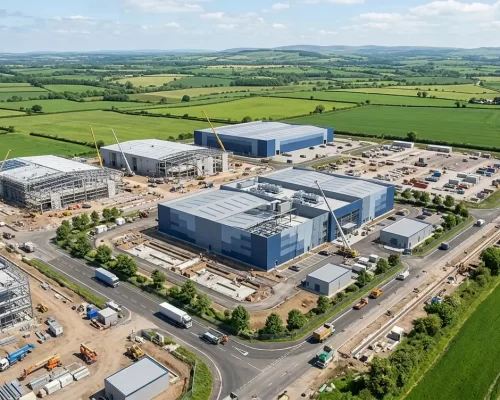
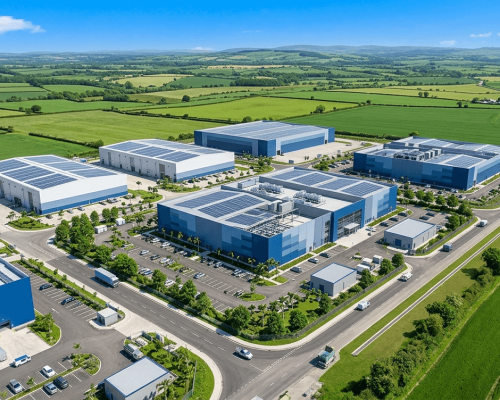
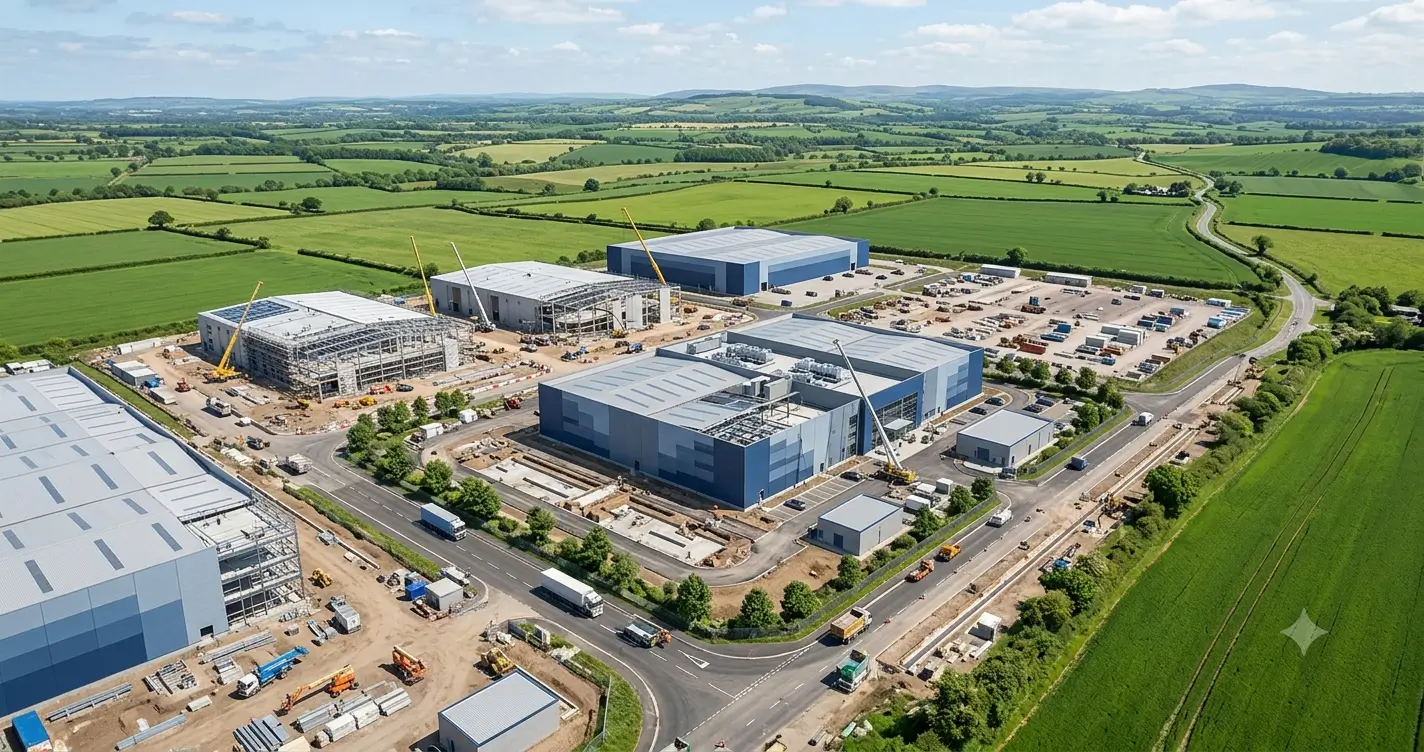
Pax Silica, as announced, is a planned 1,600-hectare industrial complex located in New Clark City, Tarlac. Marcos described it as an ecosystem built with AI at its core — meant to function as an advanced manufacturing and logistics center within the global AI and technology value chain.
It isn’t a standalone project. It’s positioned as part of the broader Luzon Economic Corridor, the government’s flagship push to link Subic, Clark, Manila, and Batangas into a single high-value economic zone. Slotting an AI-focused industrial hub into that corridor signals the administration wants Central Luzon — not just Metro Manila — to be a hub for next-generation industry.
THE “PAX SILICA INITIATIVE”: WHO’S INVOLVED
The hub takes its name from a larger international framework: the Pax Silica Initiative, a US-led group of 23 countries. According to Marcos, the initiative’s goal is to build secure, resilient supply chains covering:
- Artificial intelligence
- Semiconductors
- Critical minerals
- Advanced manufacturing
- Digital infrastructure
In practice, this places the Philippines inside a coalition explicitly designed to reduce dependence on any single country — most notably China — for the raw materials and manufacturing capacity that power AI systems worldwide. The Philippines’ selling points here are its critical mineral reserves (particularly nickel) and its existing base in electronics and semiconductor assembly.
WHAT MARCOS SAYS IT WILL DO
According to Marcos, the hub is expected to deliver three things:
- Quality jobs — skilled positions tied to advanced manufacturing, AI infrastructure, and semiconductor-adjacent industries, rather than low-wage assembly work.
- Industrial competitiveness — positioning the Philippines as a credible manufacturing and logistics link in the AI supply chain, alongside more established players in the region.
- Economic revitalization — using the hub as an anchor investment to draw in further foreign direct investment tied to the broader Luzon Economic Corridor.
These are, notably, projections and promises rather than completed outcomes — the hub is newly announced, not yet operational.
WHAT’S STILL UNCLEAR
As with any newly announced mega-project, several practical questions remain open as of this writing:
- Timeline — no firm construction start date or completion target has been detailed publicly.
- Financing structure — how much comes from Philippine government funds versus private or foreign investment from Pax Silica Initiative partners isn’t yet spelled out.
- Specific tenant companies — no confirmed list of which AI, semiconductor, or manufacturing firms will actually operate inside the hub.
- Environmental and community impact assessments — a key point of criticism, covered in our companion piece below.
PAX SILICA AT A GLANCE
| Detail | Information |
|---|---|
| Size | 1,600 hectares |
| Location | New Clark City, Tarlac |
| Parent framework | Pax Silica Initiative (US-led, 23 countries) |
| Focus areas | AI, semiconductors, critical minerals, advanced manufacturing, digital infrastructure |
| Related program | Luzon Economic Corridor |
| Announced | SONA 2026, July 27, 2026 |
| Status | Newly announced; not yet operational |
NOT WITHOUT CRITICS
Despite the optimistic framing, Pax Silica has already drawn pushback from various groups, largely centered on:
- Mineral extraction concerns — since critical minerals (like nickel) are a core part of the Pax Silica value chain, there’s concern the project could accelerate mining activity with insufficient environmental safeguards.
- Environmental impact — building a 1,600-hectare industrial complex, even on planned land in New Clark City, raises standard large-scale development concerns.
- Energy demand — AI infrastructure, particularly data centers, is notoriously energy-intensive, and critics have questioned whether the Philippines’ grid capacity and renewable energy plans are ready to support it.
These concerns are significant enough that we’ve covered them in a dedicated piece — see below.
Read the full breakdown of the controversy: Why Is Pax Silica Controversial? The Other Side of the AI Hub
WHY THIS MATTERS BEYOND SONA
Pax Silica isn’t just a talking point for one speech — it’s a test case for how the Marcos administration wants to position the Philippines in the next decade of global technology competition. Whether it succeeds will depend on execution details that haven’t been announced yet: financing, timelines, tenant commitments, and how the government balances economic ambition against environmental and community concerns.
Following the “proof over promises” pattern seen throughout public sentiment on SONA 2026, expect public trust in this project to hinge less on the announcement itself and more on verifiable progress — signed agreements, actual groundbreaking, and confirmed jobs — over the months ahead.
Continue exploring the SONA 2026 AI cluster: 1.8 Million Filipinos Trained for AI: What Is the AI Literacy Program? · AI Industry Jobs: What Pax Silica Really Means for Filipinos
This is an evolving article — we’ll update it as the Pax Silica framework agreement, financing details, and environmental review process develop.
SOURCES / FOOTNOTES
- GMA News Online, “SONA 2026: Marcos says Pax Silica to bring ‘quality’ jobs to PH”, July 27, 2026.
- SunStar Manila, “Marcos: AI-driven project Pax Silica hub to boost jobs, economy”, July 27, 2026.
- Philstar.com, “Marcos says Pax Silica hub to create jobs, boost competitiveness”, July 27, 2026.
- Newsbytes.ph, “Gov’t pushes Pax Silica as Marcos Jr. puts project at center of SONA tech agenda”, July 28, 2026.
- Rappler, “Despite criticisms, Marcos touts Pax Silica initiative in latest SONA”, July 27, 2026.
- Philippine News Agency, “SONA 2026: Marcos vows to finish reforms as term enters final stretch”, July 2026.