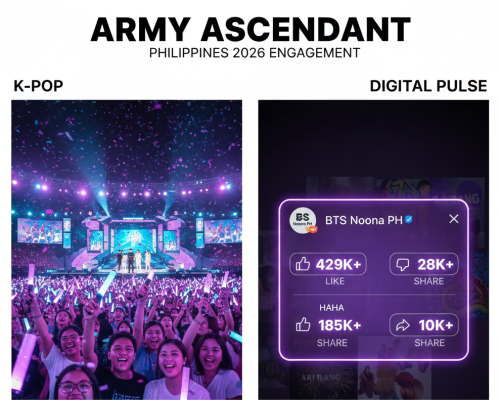
In today’s digital culture, fandoms aren’t just fan groups—they’re economic powerhouses. Whether it’s K-pop stans, P-pop supporters, or Swifties, Filipino fans have proven they can move markets, sell out concerts in minutes, and make hashtags trend worldwide. Welcome to the Stan Economy, where passion translates directly into profit.
Merch Madness
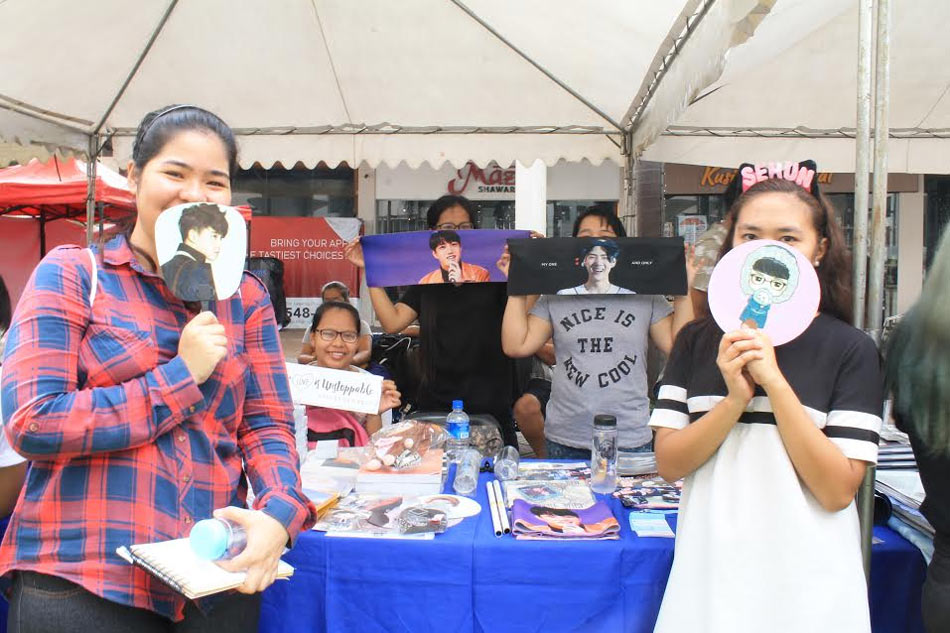
From official lightsticks to fan-made shirts and photocards, merch is more than memorabilia—it’s a statement of loyalty. Local fan bases even organize group orders and bulk buys to make sure everyone gets a piece of the drop. For artists, this means steady revenue streams beyond album sales.
Concert Frenzy
When tickets for global acts like Taylor Swift, SEVENTEEN, and ATEEZ go on sale, fans camp online like it’s a survival game. Entire economies spin off from concerts—travel, food, fashion, and even temporary jobs. The stan demand is so strong that multiple show dates in Manila often sell out instantly.
Social Media Power Plays
Stans don’t just support artists—they create trends. A single fancam or meme can go viral, boosting visibility not just for the artist but for brands tied to them. Campaigns like #ProtectOurIdols or celebratory hashtags on birthdays routinely dominate Twitter/X’s trending lists, showing the influence of collective fan action.
Fan Funds and Collective Action
It’s not unusual for fandoms to crowdfund billboards, subway ads, or even charity drives under their idol’s name. These initiatives show that fandom power isn’t just about consumption—it’s also about community impact.
The Stan Economy in the Philippines
In a country known for its Bayanihan spirit, fandom culture thrives. Whether it’s K-pop, P-pop, or OPM, Filipino fans combine digital savviness with deep emotional investment, proving that stanning is both personal and collective. In many ways, fandoms have become mini-economies of passion—fueling not just trends but entire industries.
Sources: Rappler, Philstar Life, Inquirer Pop