For years, Filipino fans have been the lifeblood of K-pop — organizing streams, trending hashtags, and flying banners across the world. But in 2025, the story has flipped: Filipinos aren’t just watching from the sidelines anymore. They’re stepping into the spotlight.
A new generation of Filipino trainees is now making waves in South Korea’s fiercely competitive entertainment scene — proving that talent, determination, and digital fluency can cross borders.
From Fans to Trainees
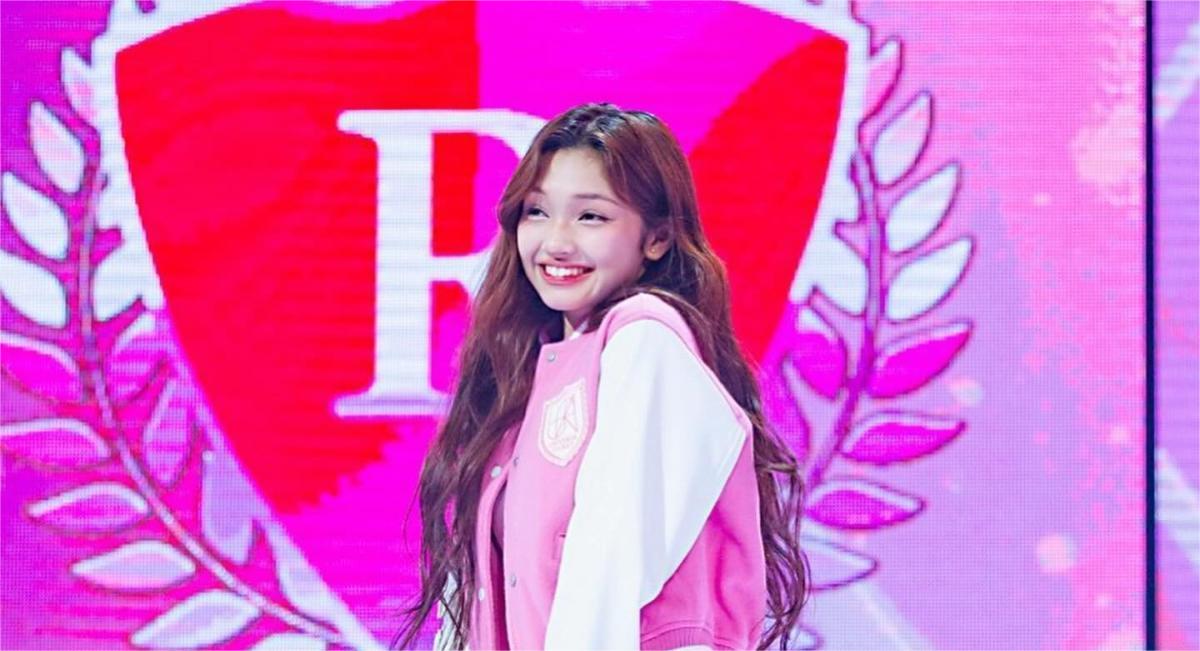
It started quietly, with a handful of Pinoys joining Korean agencies as practice trainees. Now, several are officially debuting in K-pop groups. Among them is Vien Montecarlo, a Cebu-born performer who joined the upcoming co-ed group SOLIX under HYBE Labels Japan. Her dance covers went viral on TikTok before she was scouted online by a Seoul-based talent director.
Another name on the rise is Ryan Kim (Kim Ryeon) — a Filipino-Korean rapper from Pampanga — who’s set to debut with JYP’s new boy group, NOVA9, next year. His bilingual lyric-writing and stage charisma have earned him the nickname “the next Han” among K-pop fans.
Why Agencies Are Looking to the Philippines
Korean entertainment companies have long scouted globally, but industry observers say there’s now a strategic interest in Southeast Asian talent, especially Filipinos.
“The Philippines has one of the strongest fan cultures and most musically gifted youth demographics in Asia,” shared Seoul-based talent consultant Lee Haneul. “Filipinos speak English fluently, adapt fast, and understand the global fan mindset — it’s a perfect combination for next-gen idols.”
Major labels like YG, JYP, and RBW have all held auditions in Manila and Cebu in the past year. Even smaller agencies are collaborating with local talent schools and dance camps to train potential idols from an early age.
The Hybrid Idol Era
Filipino K-pop hopefuls are also part of a broader shift toward hybrid groups — lineups mixing nationalities and languages. Acts like ZEROBASEONE, BABYMONSTER, and RIIZE have proven that global appeal is now essential.
In this new landscape, being Filipino isn’t a barrier — it’s an asset. Fluent in English, raised on pop culture, and deeply connected to social media trends, Filipino idols bring something fresh to the K-pop formula: relatability and warmth.
Training, Pressure, and Promise
Still, the road isn’t easy. Trainees endure grueling practice schedules, language barriers, and the pressure to fit Korean standards of beauty and discipline. But with support from Pinoy fanbases, more young talents are finding strength to push through.
Former trainee Mika Santos, now back in Manila teaching K-pop choreography, says, “The system is tough, but it trains you for excellence. Even if you don’t debut, you come back home with world-class skills — that’s still a win.”
A Dream That Feels Closer Than Ever
As more Filipino faces appear in teaser photos and debut stages, a new kind of pride is growing among fans back home. K-pop is no longer something we just consume — it’s something we help create.
In this New Wave, the sound may still be Korean, but the rhythm? That’s starting to sound unmistakably Pinoy.