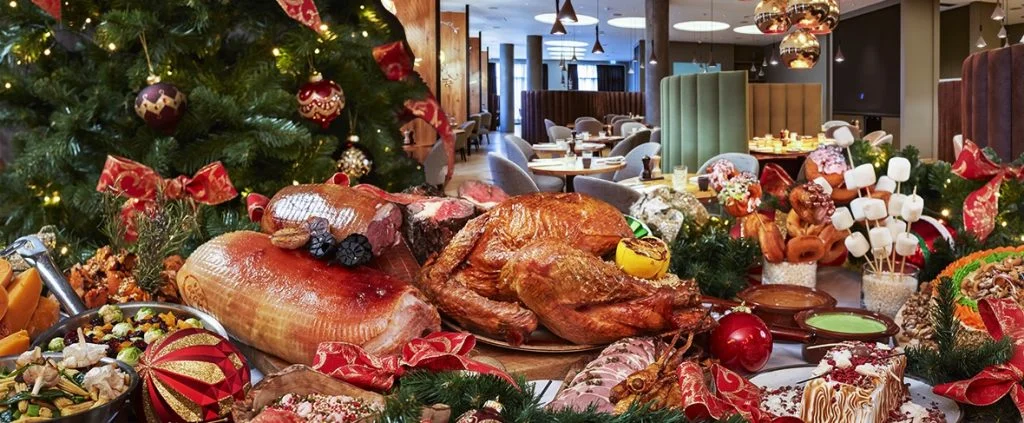
For Filipinos, Noche Buena isn’t just a Christmas Eve dinner — it’s a warm, noisy, food-filled celebration that feels like home. But before it became one of the most beloved Filipino holiday traditions today, it traveled a long history shaped by religion, colonization, and evolving family culture.
Here’s how Noche Buena came to life and why it remains one of the most uniquely Filipino Christmas rituals.
Where It All Began: The Spanish Influence
The word “Noche Buena” literally means “Good Night” in Spanish, referring to Christmas Eve, the night Christians celebrate the birth of Jesus Christ.
The practice began in Spain and other Hispanic countries, where families would:
-
Attend Misa de Gallo (Midnight Mass)
-
Go home afterward for a festive feast
-
Celebrate with food, wine, and family gatherings
When Spain colonized the Philippines in the 16th century, Catholicism became deeply rooted in local culture. Along with it came many traditions, including the Christmas Eve feast.
But Filipinos didn’t simply adopt Noche Buena.
They transformed it.
Noche Buena in the Philippines: A Blend of Faith and Family
By the 1800s, Noche Buena had become a central celebration in Filipino households. The sequence was classic:
-
Simbang Gabi
-
Misa de Gallo
-
Noche Buena
Filipinos made the event more communal, warm, and personal — reflecting our values of family closeness, generosity, and shared celebration.
The Evolution of the Noche Buena Feast
Traditionally, Filipino tables featured Spanish-inspired dishes such as embutido, lechon, festive breads, and hot cocoa or tsokolate.
In later decades, especially during the American period and post-war era, new dishes became staples:
-
Quezo de bola
-
Hamón
-
Spaghetti
-
Fruit salad
-
Leche flan
-
Bibingka and puto bumbong
-
Pancit and lumpia
What we think of today as “classic Noche Buena food” is actually a blend of Spanish influence, American commercial traditions, and local Filipino creativity. Each family has shaped its own version of the feast, making it special and unique.
More Than Food: Noche Buena as a Cultural Anchor
Over generations, Noche Buena became much more than a dinner. For Filipinos, it represents:
-
Family unity
-
Generosity
-
Gratitude
-
Community
-
Joy and celebration
Even Filipinos abroad continue the tradition as a way to feel connected to home.
Modern Noche Buena: Still the Heart of Christmas
Despite changing times, Noche Buena remains central to the Filipino Christmas season. Families still gather late into the night, tables remain filled no matter the budget, and children stay up eagerly for stories, gifts, and food.
In the end, the history of Noche Buena shows this:
Filipinos took a colonial tradition and shaped it into a heartfelt celebration of love, togetherness, and cultural identity.