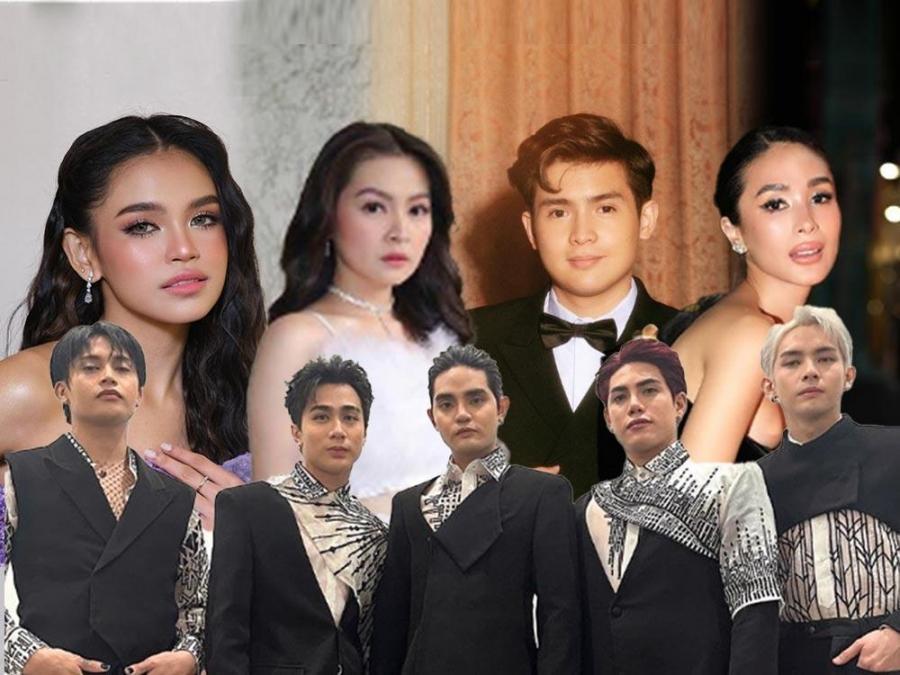
Gone are the days when fame was measured by TV ratings or box-office hits. In 2025, the new definition of stardom is written in views, shares, and engagement — and Filipino celebrities are rewriting the rules with creativity, courage, and a touch of chaos.
The modern star no longer lives behind velvet ropes; they live in your feed. From livestream check-ins to fan-made edits that go viral overnight, fame has become more democratic — and more unpredictable — than ever.
From Star Magic to Self-Made Magic
Traditional talent agencies once held the keys to stardom. But today’s breakout names often start with nothing but a phone and a personality that pops. Just look at Esnyr Ranollo, who turned relatable classroom skits into a multi-platform career, or Bella Racelis (That’s Bella), who parlayed her vlogging charm into mainstream projects and brand endorsements.
Even established stars have had to adapt. Kathryn Bernardo, Nadine Lustre, and Heart Evangelista have all reinvented their public personas — not through scripted PR, but through unfiltered authenticity. Kathryn shares snippets of her solo travels; Nadine uses her platform for wellness and advocacy; Heart merges art, fashion, and social commentary into one digital empire. The common thread? Control of their own narrative.
The Power of Parasocial Love
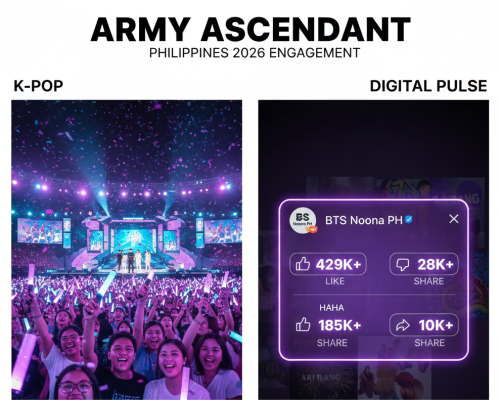
Fans are no longer passive consumers — they’re part of the fame machine. “Stan culture” has become an ecosystem where engagement is everything. From fan-led billboards to coordinated streaming parties, supporters have turned into micro-marketers.
When SB19 drops a new track, it’s not just a release — it’s an event. Their fandom, A’TIN, mobilizes like a digital army, ensuring the group trends globally within hours. Even indie artists like Zild Benitez and Denise Julia benefit from fan-curated edits that amplify their reach far beyond traditional media.
It’s not just love anymore; it’s labor. Fans are now co-authors of celebrity success.
Algorithm over Airtime
In the social media era, algorithms are the new gatekeepers. Creators have learned to play the system — mixing short-form humor, aesthetic visuals, and emotionally resonant storytelling to grab attention.
Take Vice Ganda, whose sharp wit now lives as much on YouTube and TikTok as on primetime TV. Or Belle Mariano, who uses strategic content drops to keep fans engaged between projects. Even reality show hopefuls understand the value of virality — being memeable can be just as important as being talented.
And then there’s AI. From digital avatars to voice-cloned influencers, the next phase of fame blurs the line between real and virtual. Some agencies are already experimenting with hybrid personas — human influencers enhanced by AI-driven content planning.
Authenticity Is the New Aesthetic
Despite the filters, one thing remains clear: audiences crave authenticity. “Raw” and “relatable” outperform “perfect” and “polished.”
That’s why moments once considered “off-brand” — crying on a livestream, posting bare-faced selfies, or admitting burnout — now strengthen public connection.
Celebs like Andrea Brillantes and Donny Pangilinan thrive in this environment, embracing unfiltered posts that feel less like celebrity content and more like friendly check-ins. The more “human” a star feels, the stronger the fandom loyalty becomes.
What’s Next: The Fame Hybrid
The future of fame isn’t about one platform or one persona — it’s about balance. It’s the ability to switch between polished professionalism and candid vulnerability, between curated shoots and chaotic TikToks.
As Filipino celebrities continue merging entertainment, activism, and digital storytelling, one thing’s for sure: fame in 2025 is no longer a product. It’s a performance, a partnership, and above all, a process — one where stars and fans rise together.
Because in this new era, the real formula for fame is no longer being discovered — it’s being designed.