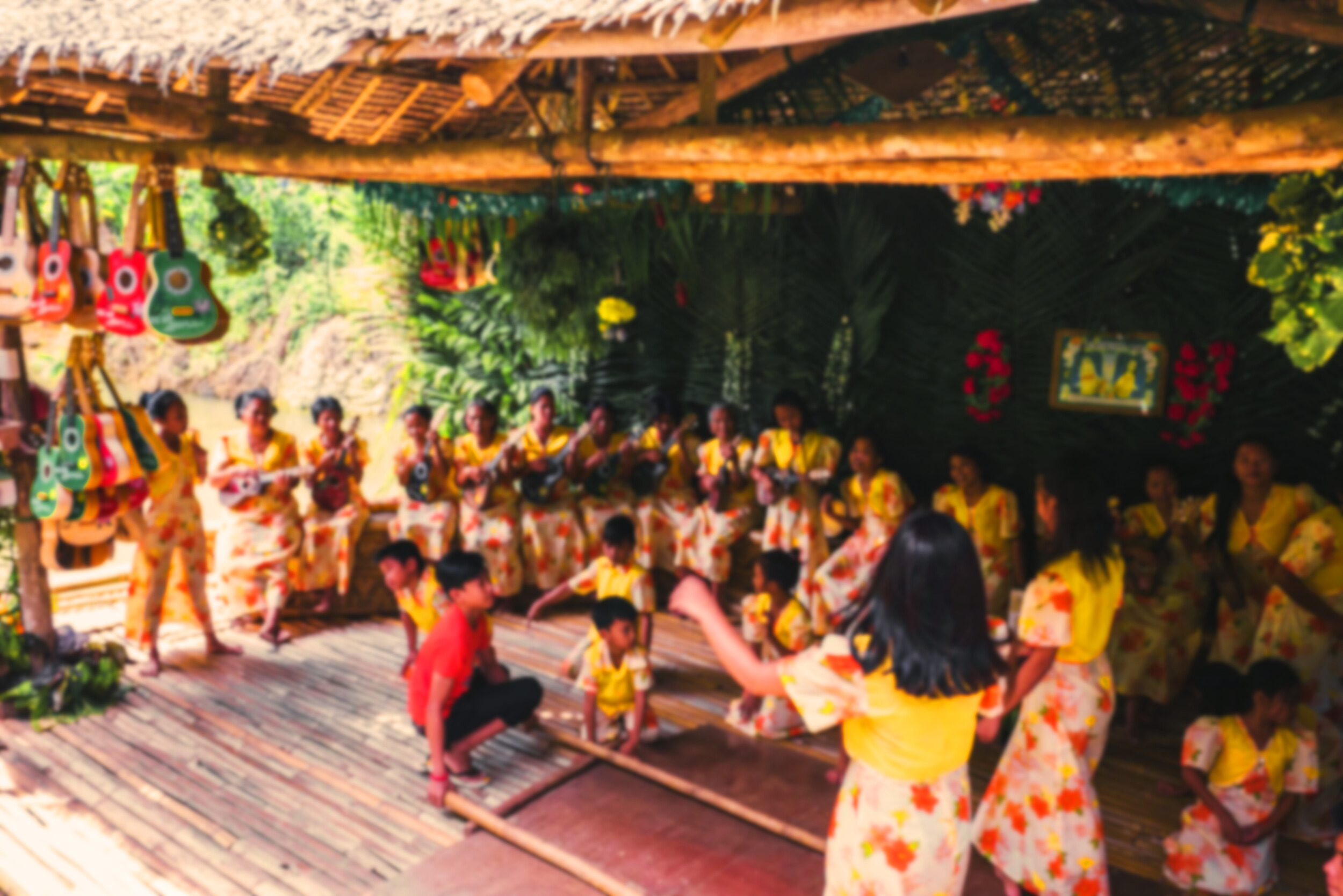
Every August, Filipinos come together to celebrate Buwan ng Wika, a month-long observance dedicated to honoring the Filipino language and the culture it represents. More than a commemoration of history, it is a living tradition that evolves alongside the people who speak it. For 2025, the spotlight turns to the modern storytellers, creators, and artists who carry the language into new frontiers.
Why Buwan ng Wika Matters
The roots of the celebration go back to the late President Manuel L. Quezon, hailed as the “Ama ng Wikang Pambansa.” His vision was clear: a national language that unites a diverse nation. Today, that mission continues—not just through textbooks and classrooms, but also in music, art, literature, and digital platforms.
Language is more than words; it is identity, memory, and pride. In a world shaped by globalization and technology, Filipino remains a bridge that links generations and communities together.
The New Wave of Filipino Storytellers
1. Modern Writers
Contemporary Filipino writers are experimenting with form, medium, and language. Novelists such as Lualhati Bautista’s successors in feminist literature, young poets emerging from spoken word communities, and bilingual authors publishing on Wattpad and digital presses, bring Filipino storytelling to both local and global audiences. Their works often mix Filipino and English, reflecting how Filipinos naturally communicate today.
-
Spotlight: Juan Miguel Severo, known for his poignant spoken word poetry, continues to influence a new generation of writers who value emotion and authenticity in Filipino expression.
2. Digital Influencers
On TikTok, YouTube, and Instagram, creators use Tagalog, Taglish, and even regional dialects to tell stories, deliver humor, or advocate for social change. These influencers show that Filipino is not limited to formal speech—it thrives in memes, vlogs, and viral content.
-
Spotlight: Macoy Dubs (Mark Averilla), whose satirical skits often highlight Filipino quirks, proves how language adapts to humor and commentary.
-
Spotlight: Lyqa Maravilla, an educational content creator, makes learning Filipino and English fun, accessible, and practical for students.
3. Artists and Musicians
Music and visual arts also play a huge role in modernizing Filipino culture. Indie bands like Ben&Ben and hip-hop artists such as Shanti Dope mix traditional narratives with contemporary beats. Visual artists on platforms like Instagram and digital galleries incorporate Filipino folklore, typography, and heritage into modern designs.
-
Spotlight: KZ Tandingan, who switches between Filipino, English, and Bisaya in her music, embodies the linguistic richness of the country.
-
Spotlight: Street artists from Ang Gerilya collective, whose murals depict Filipino history and mythology in a bold, modern style.
Filipino in the Digital Age
From classrooms to streaming platforms, Filipino thrives in new spaces. Podcasts discuss literature in Filipino, YouTube channels teach grammar and idioms, and AI-generated tools even translate Filipino content for international audiences. The rise of digital media ensures that Filipino is not just preserved—it is reinvented for every generation.
Even abroad, the language remains alive in diaspora communities. Filipino migrants use the language to connect with home, and second-generation Filipinos are finding creative ways to rediscover it through art, food, and music.
The Call of Buwan ng Wika 2025
This year’s celebration challenges Filipinos to ask: How do we carry our language forward? As we embrace globalization, do we risk losing the purity of Filipino—or are we enriching it by allowing it to evolve?
One thing remains clear: the Filipino language is not fading. It is alive, adaptive, and resilient—just like the people who speak it.
Buwan ng Wika 2025 is more than a tribute to the past; it is a celebration of the present and the promise of the future of Filipino identity.