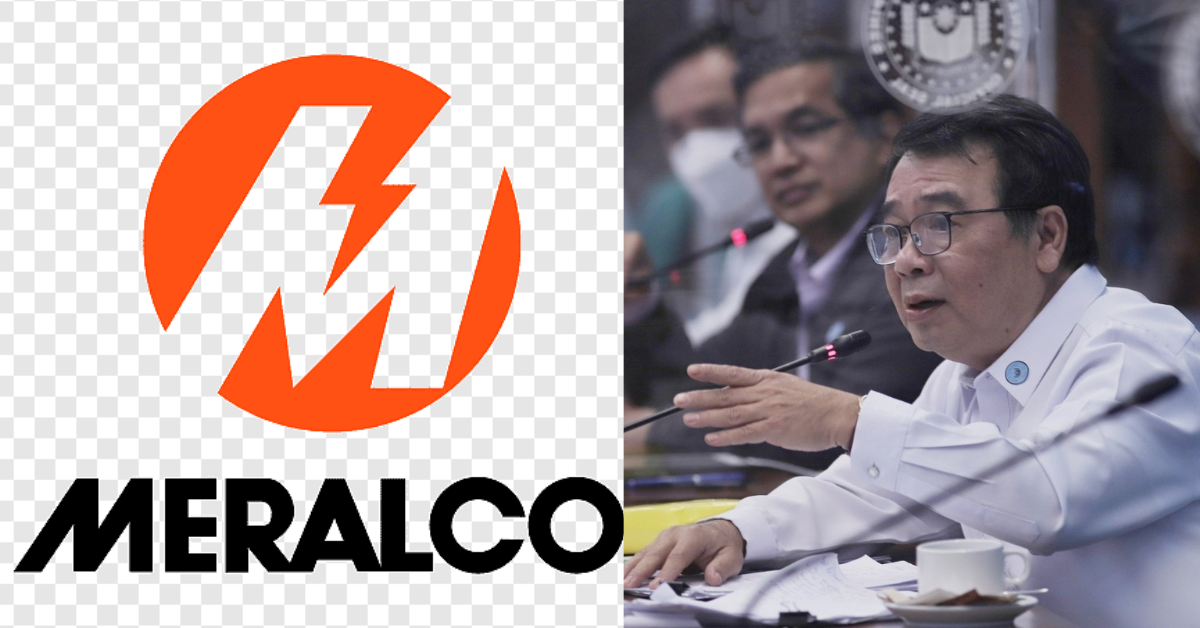
Consumer advocates and the group Bayan Muna have strongly condemned the “bill shock” experienced by millions of Meralco customers this April and May 2026, as rates hit a record high of ₱14.3496 per kWh.
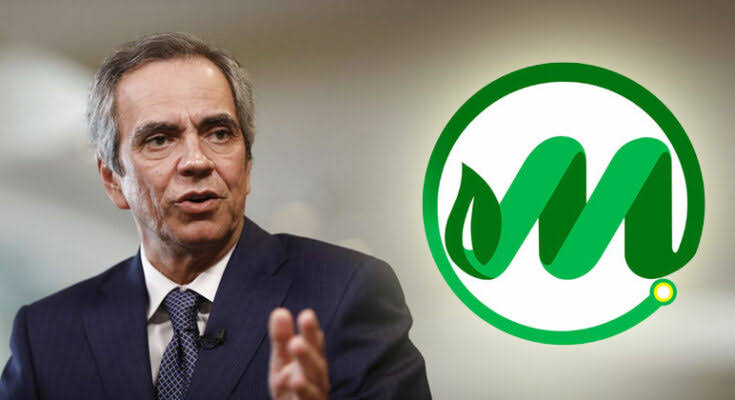
Bayan Muna Chairman Neri Colmenares described the situation as a form of “legalized robbery” burdened by ordinary Filipinos.
According to Colmenares, it is unacceptable that consumers are forced to shoulder the impact of the peso’s weakening against the dollar due to Meralco’s “dollar-denominated” contracts.
“Bakit ang taumbayan ang pinagbabayad ninyo sa paghina ng piso? Ang Meralco ay kumikita ng bilyon-bilyon, pero ang risk ng palitan ng dolyar ay ipinapasa sa mga pamilyang hindi na magkandaugaga sa taas ng presyo ng bigas at bilihin,”
(Why are you making the people pay for the weakening of the peso? Meralco earns billions, yet the risk of dollar exchange rates is passed on to families who are already struggling with the high price of rice and basic goods.)
The Issue of VAT on System Loss
Colmenares also emphasized the injustice of imposing a 12% Value-Added Tax (VAT) on System Loss Charges. He likened it to buying goods at a market where a buyer at least gets to “bring home” something in exchange for the tax paid.
“Sa system loss, nagbayad ka ng 12 percent VAT, pero anong inuwi mo? Wala. Bayad ito sa kuryenteng hindi mo naman ginamit, kuryenteng nawala dahil sa inefficiency ng Meralco o sa mga illegal connection na sila naman dapat ang rumeresolba. Hindi namin kasalanan, bakit kami ang sisingilin?”
(In system loss, you pay 12 percent VAT, but what did you bring home? Nothing. This is payment for electricity you didn’t even use—electricity lost due to Meralco’s inefficiency or illegal connections that they should be the ones resolving. It’s not our fault, so why are we being charged?)
Related:
NASECOR Asks ERC if Consumer Rates are Fair
Treñas gives 150% endorsement for MORE Power
Dependence on Imported Fuel
Critics also pointed out Meralco’s “turtle-paced” transition to Renewable Energy (RE). While distribution utilities in Iloilo, Bohol, and Davao enjoy lower rates due to local and renewable sources, Meralco remains heavily dependent on imported natural gas and coal.
“Sampung porsyento (10%) lang ang renewable energy ng Meralco. Ang natitira, imported na gas at coal na binabayaran sa dolyar. Kaya bawat kibot ng world market, bill shock ang hatid nila sa atin. Ito ang bunga ng pagiging monopolyong nakasandal sa dayuhang interes,” Colmenares added.
(Only ten percent of Meralco’s energy is renewable. The rest is imported gas and coal paid for in dollars. That’s why every movement in the world market brings us bill shock. This is the result of being a monopoly leaning on foreign interests.)
Calls for Action
Bayan Muna is calling on Meralco and the government to take the following steps:
- Renegotiate Power Supply Agreements (PSAs): Shift contracts with coal and gas plants from “Dollar-indexed” to “Peso-denominated” payments.
- Remove VAT on Pass-through Charges: Specifically target the removal of VAT on system loss.
- Government Subsidies: Utilize government funds for lifeline rate subsidies instead of passing these costs onto the bills of regular consumers.
Frequently Asked Questions
Answer: Rates reached ₱14.3496 per kWh due to a weakening peso and high dependence on imported coal and gas.
Answer: It refers to passing currency exchange risks and 12% VAT on system loss (unused electricity) to consumers.
Answer: He is the Chairman of Bayan Muna and a leading consumer advocate challenging high electricity rates.