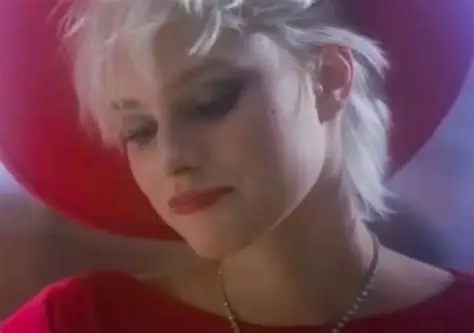
Before it was a Top 10 hit and an MTV staple, “Voices Carry” was a much more subversive song. While the 1985 music video portrays Aimee Mann as a woman trapped in a relationship with a controlling, “yuppie” boyfriend, the song’s origins were rooted in a different kind of struggle: the pressure of a hidden queer romance.
The Woman-to-Woman Original Draft
In the initial writing sessions for ‘Til Tuesday’s debut album, Aimee Mann penned “Voices Carry” as a song about her attraction to another woman. The “hushing” and the warnings to “keep it down” weren’t just about an abusive partner; they were a direct reflection of the social stigma and the literal “hushing” of LGBTQ+ identities in the early 1980s.
The original lyrics utilized female pronouns, creating a narrative of a secret love that couldn’t be spoken aloud—a literal “hush hush” dictated by the era’s cultural climate.
The Epic Records Intervention
When the band brought the demo to Epic Records, the label executives recognized the song’s massive pop potential but were wary of the subject matter. Fearing that a song about a lesbian relationship would be “too controversial” for mainstream radio and MTV, the label pressured Mann to change the pronouns.
This forced change in narrative didn’t stop the band from creating a visual masterpiece. In fact, the music video used a legendary film director’s playbook to tell the story. Explore the Hitchcockian secrets of the ‘Voices Carry’ video
To ensure the song’s success, the narrative was pivotally shifted to a heterosexual dynamic. The “woman” in the song became a “man,” and the video followed suit, casting Cully Holland as the oppressive, suit-wearing antagonist.
Why the Subtext Still Matters in 2026
Despite the gender swap, the song’s haunting intensity remained. This “hidden history” is a major reason why the song has seen a massive resurgence in the 2020s.
-
A Universal Anthem: The shift from a specific queer narrative to a general story of emotional suppression actually broadened the song’s reach, making it an anthem for anyone reclaiming their voice.
-
Modern Recontextualization: In the wake of the 2025 ‘Til Tuesday reunion, music historians and fans have revisited the track through a queer lens, viewing it as an early, forced “closeting” of artistic expression by the music industry.
Key Facts at a Glance
-
Original Artist: Aimee Mann (‘Til Tuesday)
-
The Conflict: Label pressure to “straighten” the lyrics for radio.
-
The Legacy: Now regarded as a landmark track for both feminist and LGBTQ+ music history.
Whether you view it as a queer anthem or a feminist manifesto, the song’s impact is undeniable. See why ‘Voices Carry’ remains an essential listen today.
Frequently Asked Questions about “Voices Carry”
Yes. Aimee Mann originally wrote the song about a relationship between two women. However, executives at Epic Records pressured the band to change the pronouns to a heterosexual dynamic to ensure the song would be “radio-friendly” for the mid-1980s market.
he “hush hush” chorus symbolizes the suppression of one’s true self. Originally, it referred to the secrecy of a queer relationship, but after the lyrics were changed, it became a universal anthem for victims of emotional abuse and controlling partners who demand silence.
The controlling boyfriend was played by actor Cully Holland. His performance became iconic for portraying the “yuppie” emotional abuser, a character archetype that helped the video win the MTV Video Music Award for Best New Artist in 1985.
es! After a 35-year hiatus, the original lineup of ‘Til Tuesday reunited for a highly acclaimed performance at the 2025 Cruel World Festival. This sparked a massive resurgence in the song’s popularity across streaming platforms and social media.