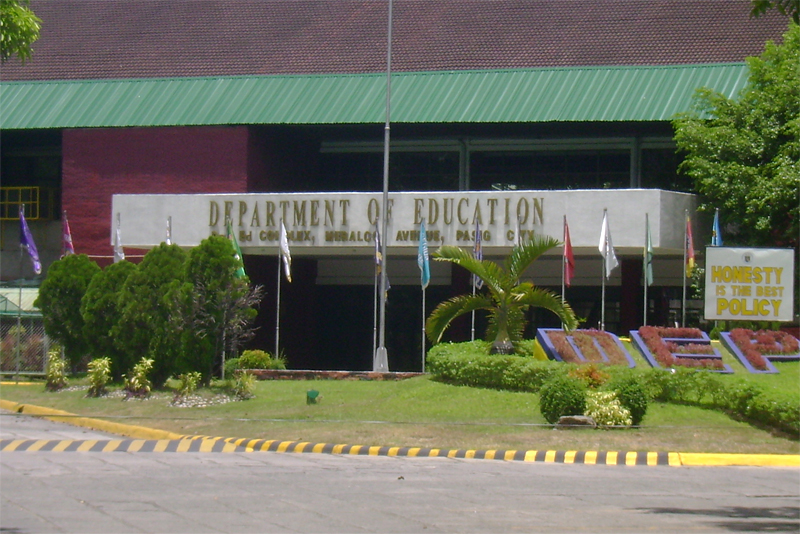
The Department of Education (DepEd) is positioning the MIMAROPA region as a national model for post-storm recovery after repeated typhoons heavily damaged classrooms and disrupted learning across the area.
In a Management Committee (MANCOM) meeting held in Puerto Princesa City, Education Secretary Sonny Angara said the region will serve as a testing ground for new strategies aimed at strengthening the country’s basic education system against climate-driven disruptions.
Source: GMA News
Severe Damage Highlighted the Need for Change
The MIMAROPA region—composed of Occidental Mindoro, Oriental Mindoro, Marinduque, Romblon, and Palawan—has long been vulnerable to storms. In Palawan alone, more than 781 classrooms were damaged by Typhoon Tino.
Source: GMA News
Angara said the goal is no longer just repairing schools after the fact, but redesigning the system to ensure that learning continues even when disasters strike.
Key Reform Areas Identified
DepEd will use MIMAROPA’s experience to guide several national-level reforms, including:
1. Climate-Resilient School Infrastructure
DepEd aims to standardize stronger building designs that can better withstand typhoons and flooding.
2. Improved Alternative Delivery Modes (ADM)
During severe weather, flexible learning systems—both low-tech and high-tech—will ensure that classes do not come to a halt.
Source: GMA News
3. Transparent, Data-Driven Planning
DepEd field offices in MIMAROPA will help refine monitoring systems to quickly assess damage, learning losses, and resource allocation.
4. Curriculum Relevant to Local Economies
Because the region relies on agriculture, fisheries, and ecotourism, DepEd is crafting curriculum improvements that match local job markets and livelihood realities.
A Possible Template for the Entire Philippines
With typhoons becoming stronger and more frequent, the agency sees MIMAROPA’s recovery framework as a prototype for other disaster-prone regions.
If successful, the model could influence:
-
Future school construction standards
-
Funding distribution for vulnerable divisions
-
Nationwide disaster-resilience learning plans
-
Teacher support and disaster-response protocols
Angara emphasized that the shift will be gradual but necessary, saying DepEd must “move from reactive to proactive” in securing the future of millions of learners.