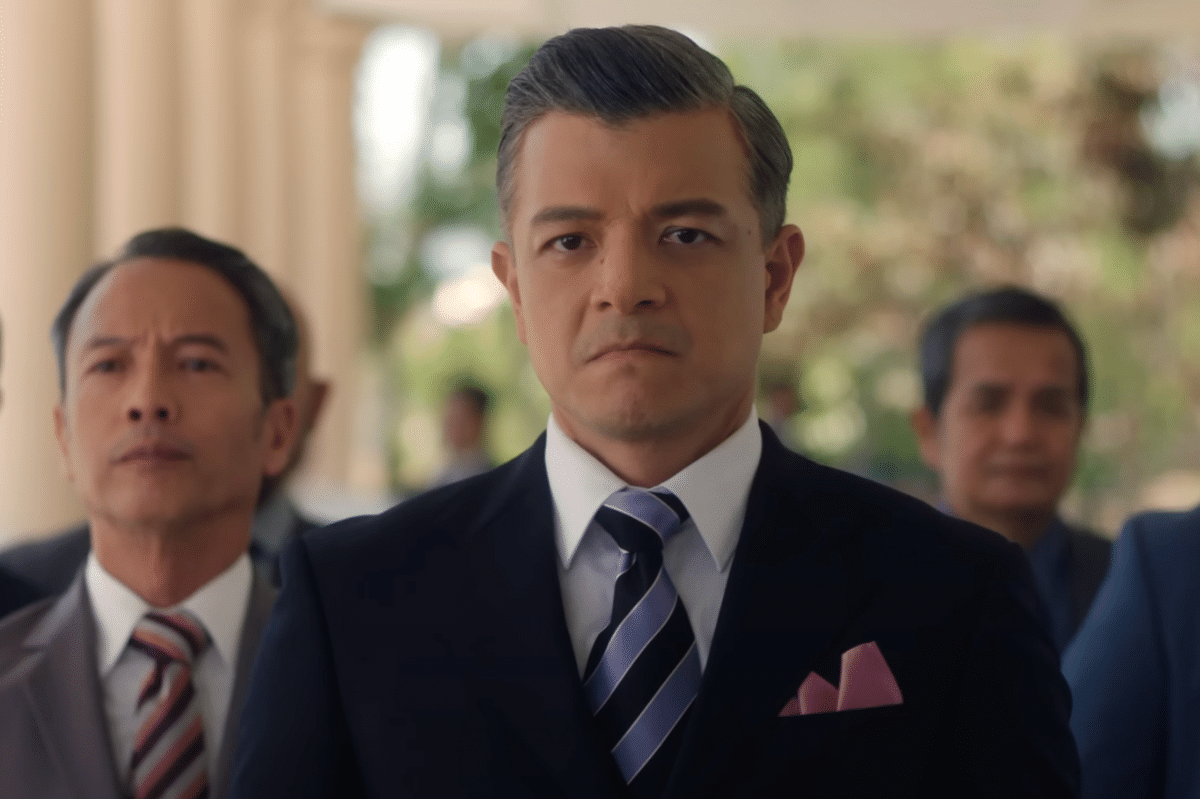
Jericho Rosales took on one of his most daring roles yet as he stepped into the shoes of former President Manuel L. Quezon in Jerrold Tarog’s latest historical drama, Quezon (2025). The film, which premiered in late October under Star Cinema and TBA Studios, quickly became one of the year’s most talked-about releases — both for its cinematic ambition and its polarizing portrayal of a revered national figure.
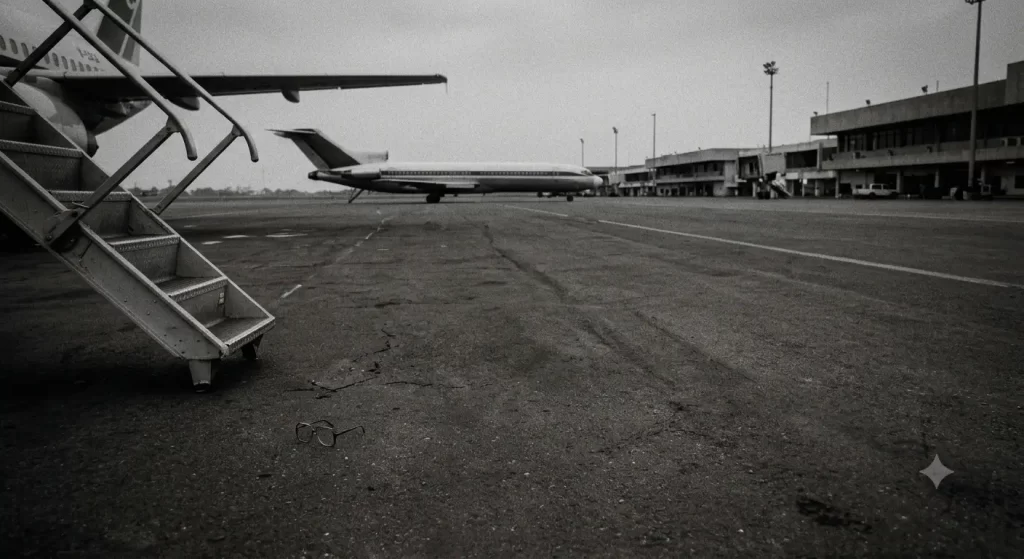
Set during the turbulent pre-war years, Quezon reimagines the life of the Commonwealth president with a mix of stylized storytelling and emotional realism. Rosales delivers a performance that’s equal parts regal and raw, tracing the leader’s personal struggles and moral contradictions amid political chaos. Critics initially praised the film’s technical polish, Tarog’s meticulous direction, and its willingness to challenge textbook heroism.
But not everyone was pleased.
Shortly after the premiere, controversy erupted when Quezon’s own family publicly denounced the film. The late president’s grandson, Ricky Quezon Avanceña, confronted Rosales and Tarog during a post-screening forum, accusing the team of portraying his grandfather as “a monster” and “destroying our family’s legacy.” Actor John Arcilla, a cousin of the Quezon family, echoed the sentiment — saying the filmmakers should have consulted the living relatives before shaping such a bold reinterpretation of a national hero (Filipino Times, Oct 26 2025).
Even among professional critics, Quezon split opinion. Paul Emmanuel Enicola of The Movie Buff described it as “flawed but fascinating,” admiring its ambition but questioning whether its satirical tone undercut the historical gravity. Other reviewers noted that the film blurred the line between mythmaking and biography — with one column from The Philippine Herald warning that “if audiences leave believing Quezon’s supposed sins were proven fact, then the film’s success is also its failure.”
Veteran actress Pinky Amador, also a Quezon descendant, added that while she didn’t expect a saintly portrayal, the film felt “irresponsible” for downplaying the president’s humanitarian legacy. “We can tell complex stories,” she told PEP.ph, “but we shouldn’t erase the good he did for this country.”
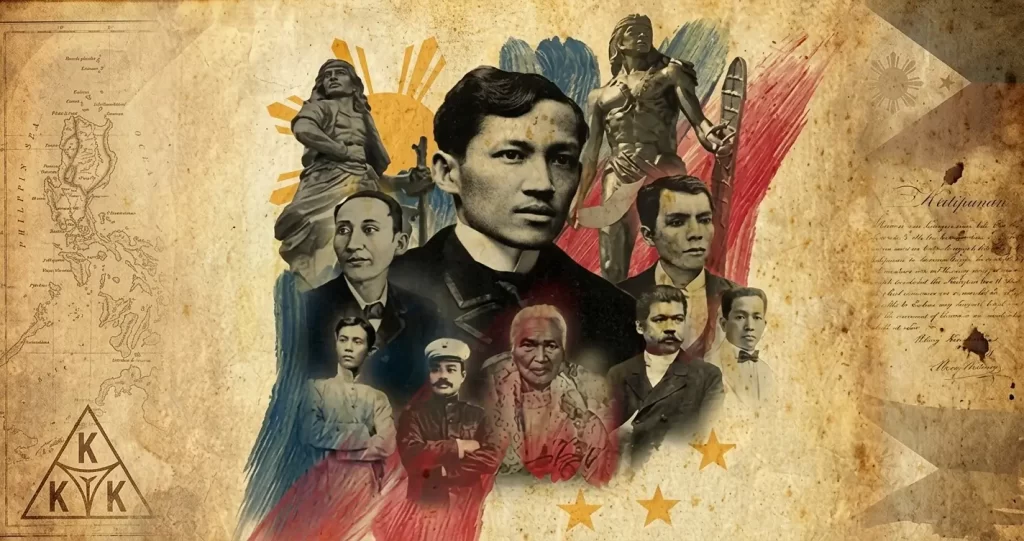
Beyond the backlash, others praised Quezon for reigniting interest in Philippine history — especially among younger audiences used to stylized storytelling through streaming and social media. The film’s aesthetic — rich in symbolism and cinematic experimentation — drew comparisons to Tarog’s earlier works like Heneral Luna and Goyo, though this time with sharper edges and darker humor.
Financially, the response was more modest. The film reportedly grossed ₱6 million on opening day and about ₱30 million in its first five days, according to the Film Development Council of the Philippines — decent but below expectations for such a high-profile release.
Still, in true PopBits fashion, the drama behind Quezon has become just as compelling as the film itself. Whether hailed as a brave act of artistic freedom or faulted as a risky distortion of legacy, it has sparked a long-overdue national conversation about how we tell our stories — and who gets to tell them.