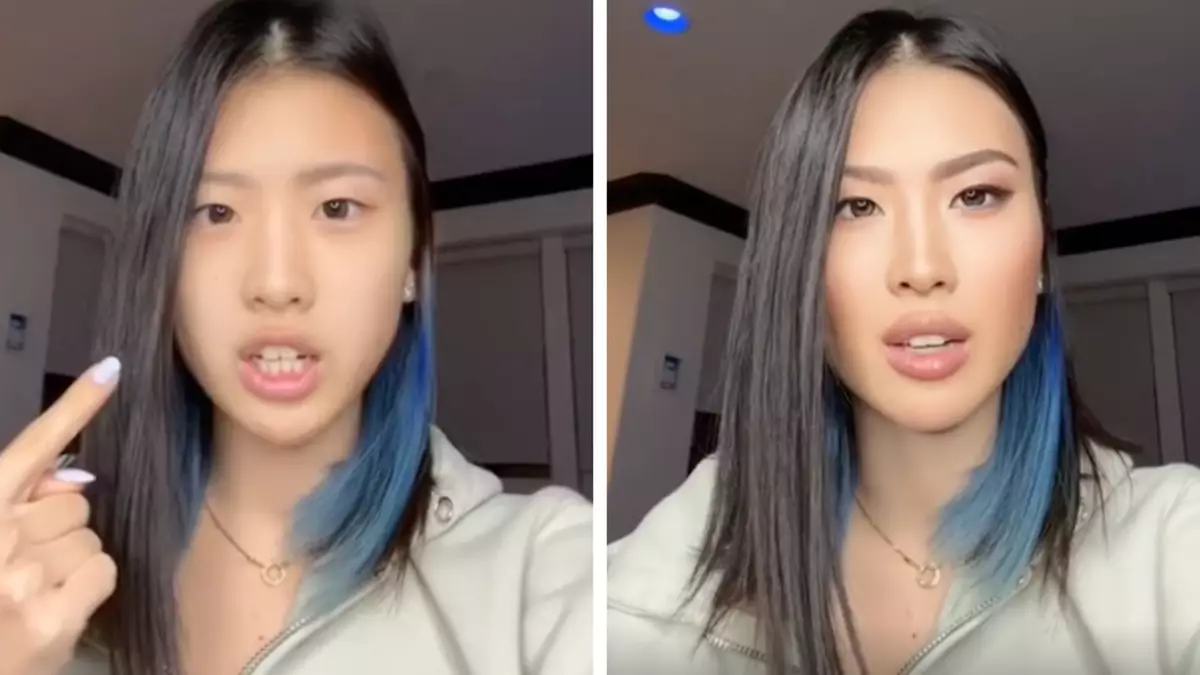
They used to be fun — a swipe of lipstick here, a bit of contour there. But lately, AI-powered beauty filters on TikTok, Instagram, and Snapchat are getting scarily real. So real, in fact, that many Gen Z users say they’re starting to blur the line between what’s virtual and what’s natural.
The latest wave of “hyper-real” filters can track facial movements perfectly, apply makeup that moves like real skin, and even adjust lighting and symmetry — all in seconds. What used to look cartoonish now feels like a flawless mirror version of yourself.
But that perfection comes at a cost. Some creators have started opening up about “filter dysmorphia,” the feeling of disconnection when your real face doesn’t match the one you see on-screen. The trend has sparked discussions about digital self-image and how AI tech quietly shapes beauty standards among younger audiences.
Still, for many, these filters remain a creative playground — a way to experiment with styles, looks, and aesthetics without judgment or commitment. Whether it’s the “Bold Glamour” effect or the latest AI contour craze, one thing’s for sure: Gen Z is facing a new kind of mirror, and it’s powered by code.