They don’t eat, sleep, or age — but they rack up millions of followers, brand deals, and fan edits. In 2025, a new kind of celebrity is taking over your feed: AI influencers.
From hyper-realistic virtual models to AI-generated vloggers, these digital personalities are blurring the line between creativity and reality — and Filipinos, known for being social media trailblazers, are once again at the front of this trend.
The Rise of the Unreal
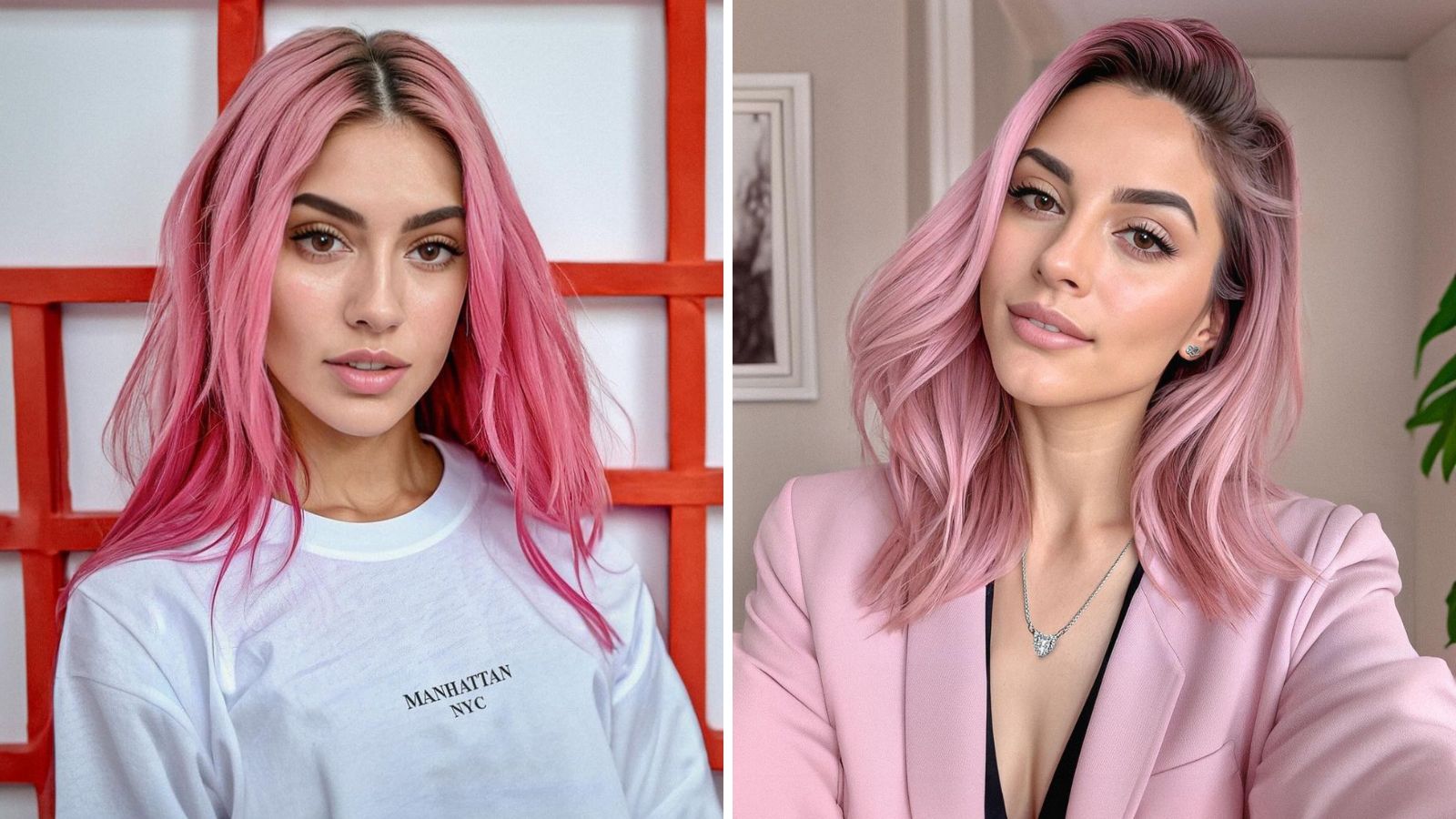
Meet Ayumi, Southeast Asia’s first AI lifestyle influencer with over 3 million followers on Instagram and TikTok. Created by a Singapore-based studio using generative AI, Ayumi posts travel photos, skincare tips, and “collabs” with human creators — all without ever stepping outside a computer.
In the Philippines, agencies are catching up fast. Manila-based startup VirtuLab recently introduced KAI, a digital pop star whose debut single hit 5 million views in its first week. Local fashion brands have begun hiring AI models for campaigns too — cheaper, customizable, and available 24/7.
As AI tools like Midjourney and Runway Gen-3 become mainstream, more creators are experimenting with synthetic personas that can post, speak, and even interact in real time.
Blurring Lines Between Real and Rendered
Virtual influencers aren’t exactly new — the West had Lil Miquela and Shudu years ago — but what’s different now is realism. Advances in facial animation and voice synthesis have made it nearly impossible to tell whether someone is human or generated.
In Southeast Asia, where content output is relentless, these virtual figures are ideal brand ambassadors: no scheduling conflicts, no scandals, and infinite creative potential.
But this rise also sparks ethical debates. Should AI influencers disclose that they’re not human? What happens when fans form emotional attachments to someone who doesn’t actually exist?
Filipino Creators Join the Mix
Filipino artists and agencies aren’t just watching from the sidelines. Local digital studios like Metacraze PH and Kinetiq are developing virtual models for marketing and entertainment. Some independent creators even train their own AI avatars — digital versions of themselves who can livestream, sing, or host content while they rest.
“I designed my AI twin so I could post even when I’m asleep,” shared Mina Cruz, a virtual content creator from Quezon City. “She sounds like me, speaks Taglish, and even reacts to comments. It’s creepy — but also amazing.”
The Future of Fame Is Programmable
As AI personalities grow more sophisticated, brands and audiences are redefining what authenticity means. It’s no longer just about being “real” — it’s about being relatable, whether human or not.
For many, the future of fame isn’t human vs. AI — it’s collaboration. Imagine a Pinoy idol performing duets with their AI version, or influencers teaming up with digital clones for creative campaigns.
One thing’s for sure: as technology keeps evolving, the next generation of celebrities might not walk red carpets — they might render them.
Because in 2025, the question isn’t “Who’s real?” anymore.
It’s “Who’s trending?”