
For years, K-pop has dazzled the world with its polished perfection — flawless visuals, synchronized choreography, and tightly controlled images. But as global audiences evolve, so does the Korean pop industry. The new wave of idols is no longer just about beauty and precision; it’s about diversity, authenticity, and breaking cultural barriers.
A recent feature by Le Monde highlights how K-pop is starting to embrace inclusion in ways that would’ve been unthinkable a decade ago — and it’s changing how we define stardom in Asia.
From One Image to Many Faces
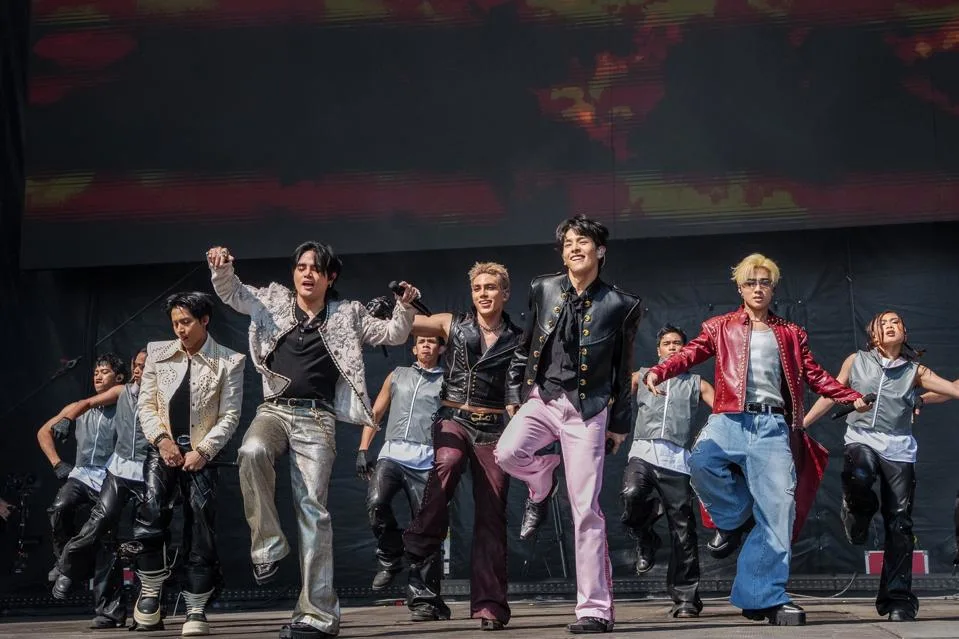
K-pop’s global dominance pushed it to open up and reflect the diversity of its audience. One standout example is the debut of 1Verse, a group composed of members from different backgrounds — two North Koreans, two Americans, and one Japanese artist.
The group’s existence alone is a statement, symbolizing a new era where K-pop isn’t just exporting culture, but also redefining what Korean identity can look like on stage.
Meanwhile, Big Ocean, a trio made up of deaf and hard-of-hearing artists, has been making waves with performances that incorporate sign language choreography. Their approach not only expands K-pop’s visual language but also introduces inclusivity into a scene known for rigid standards of perfection.
Breaking the Mold
This shift represents more than just diversity for diversity’s sake. As Le Monde points out, entertainment labels are beginning to understand that emotional connection and representation drive global fandoms more than uniformity ever did.
In the past, topics like disability, gender identity, and nontraditional beauty were often avoided or minimized in idol marketing. Today, more agencies are opening up to artists who don’t fit the old mold — signaling a quiet but meaningful revolution in the industry.
Global Influence Meets Local Change
The K-pop ecosystem is also reflecting the broader conversations happening in Korea itself — from discussions about mental health to LGBTQ+ visibility. Groups like (G)I-DLE and NewJeans have been praised for embracing individuality over conformity, while artists such as Hwasa continue to challenge beauty norms and conservative expectations through her unapologetic self-expression.
These moves may still face resistance from traditionalists, but international fans have largely embraced the change, amplifying it through global social media support.
The Future of “Perfect”
As K-pop evolves, so does its idea of “perfection.” The new generation of idols isn’t aiming to be untouchable — they’re trying to be real.
By breaking taboos and embracing inclusion, the industry is not only becoming more relatable but also more resilient. In a world that’s craving authenticity, K-pop’s willingness to grow might be the secret to keeping its global magic alive.
Sources: Le Monde